
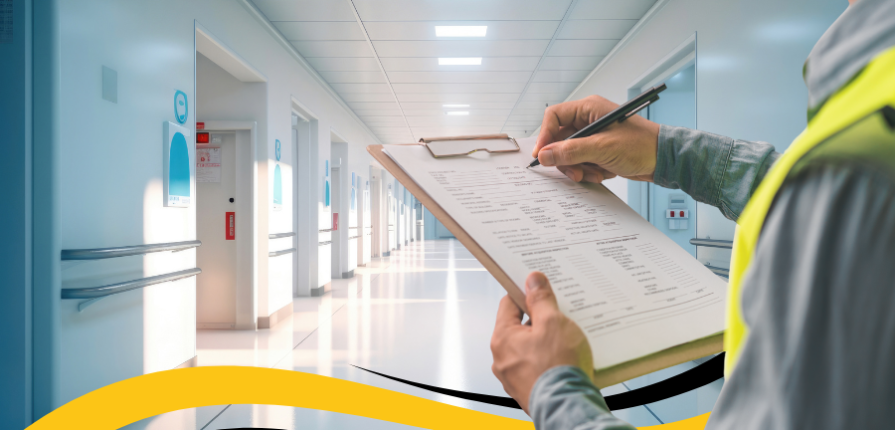

It’s something we’ve seen more than once. A healthcare facility goes into an inspection with systems that appear to be operating normally. Alarms respond, panels are active, and nothing in day-to-day use suggests a problem. Once the inspection begins, though, issues start to surface that weren’t obvious beforehand.
In most cases, the system itself hasn’t failed. The problem is that something behind the scenes no longer lines up.
Where Inspection Issues Actually Come From
When inspectors walk through a healthcare facility, they are not only checking whether devices activate. They are looking at how the system is documented, how it has been maintained, and whether it reflects the building as it exists today.
What tends to surface are inconsistencies that have developed over time. Documentation may not reflect what is currently installed, service records may be incomplete, or system details may not match how the facility is being used. None of this interrupts daily operation, which is why it often goes unnoticed until someone is reviewing it closely.
At Bennett Electronic Service Co., a large part of our work with healthcare facilities is centered on identifying those inconsistencies early and correcting them before they create problems during an inspection.
If your facility has an inspection coming up, or if it has been some time since the system was reviewed in full, this is usually the right point to take a closer look. You can schedule a system review through our contact page or call (800) 221-2380 to speak with our team.
Why “Working” Doesn’t Always Mean “Ready”
A system can respond the way it’s supposed to and still raise questions during an inspection. In healthcare environments, that usually comes down to how well the system has been tracked, documented, and maintained over time.
Documentation needs to reflect what is actually installed. Monitoring connections need to be confirmed, not assumed. Service history needs to be clear enough that questions can be answered without delay. When those elements are in place, inspections tend to move forward without much disruption. When they are not, even a system that appears stable can become difficult to verify.
The Role of Service Between Inspections
Inspections are the visible part of the process, but the work that supports them happens well before anyone walks through the door. Ongoing service is where that preparation takes place.
For Bennett, that means maintaining accurate documentation, confirming that monitoring communication remains reliable, and reviewing system condition with a clear understanding of how the facility operates. It also involves addressing smaller issues before they turn into larger ones that require immediate attention.
This type of work doesn’t stand out when everything is running smoothly, but it is what allows inspections to move forward without repeat visits, delays, or last-minute corrections.
Communication Systems Are Part of Inspection Readiness
In healthcare environments, communication systems are closely tied to both daily coordination and emergency response. Intercom and paging systems are used regularly, but they are also expected to function clearly and reliably when they are needed most.
From an inspection standpoint, communication plays a role in how a facility responds and how information is delivered during an event. Coverage, clarity, and system reliability all matter, and they should be reviewed alongside other life safety systems rather than treated separately.
Bennett supports intercom and communication systems as part of a broader approach to fire and security, making sure they remain consistent with how the facility operates and how it is expected to respond.
What Healthcare Facilities Gain From Staying Ahead
When systems are kept in line with inspection requirements, the process tends to move without much disruption. Documentation is available, service history is clear, and questions can be answered without pulling staff away to track down information.
That level of consistency comes from ongoing attention, not a single visit or a one-time correction. It reflects a system that has been maintained with the understanding that it will eventually be reviewed in detail.
If you would like to review your current system, prepare for an upcoming inspection, or address any open questions, you can schedule a meeting through our contact page or call (800) 221-2380 to connect with Bennett Electronic Service Co.
Leave a Reply
You must be logged in to post a comment.